Daily Forklift Checklist
OSHA requires a documented pre-shift inspection every day. Run through this five-minute checklist before the first lift.
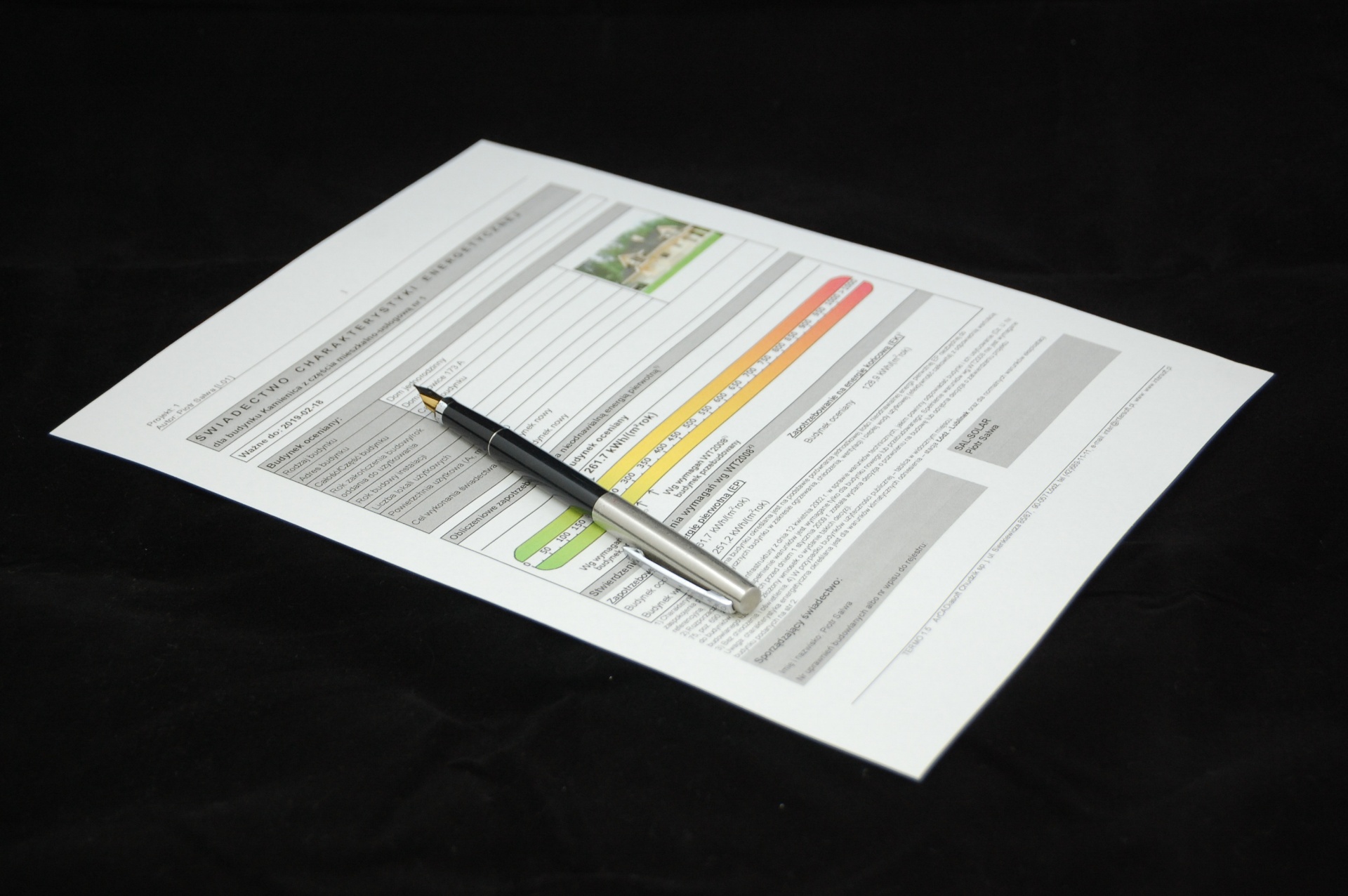
OSHA 29 CFR 1910.178(q)(7) requires that industrial trucks be examined at least daily before being placed in service. That's a pre-shift inspection — done by the operator, documented, and any defects reported before the truck moves. Here's what we teach operators to check, in the order that works best in the real world.
Engine off — walk-around
- Tires: proper inflation (pneumatic), no chunks, no flat spots, no exposed cord.
- Forks: no cracks, tips not bent, heel not worn past 10% of blade thickness.
- Mast, chains, and hoses: no visible damage, no chain stretch, no hydraulic leaks.
- Overhead guard and backrest: securely mounted, no cracked welds.
- Data plate: legible — capacity, load center, attachment info still visible.
- Fluids: check hydraulic, engine oil, coolant, and fuel or battery water level.
- Battery (electric): connections tight, no corrosion, cables in good shape.
- LP tank (propane): correctly mounted, pin engaged, hose in good condition.
On an electric truck, the daily battery check matters just as much. Corroded terminals, loose or warm connectors, damaged cables or a charger that faulted overnight should be handled before the shift starts. See our electric forklift service and repair for battery, connector and charging-system diagnostics.
If the LP tank hose is cracked or chafed, the fittings smell of propane, or the truck was hard to start on the last shift, do not run it. See our propane forklift service and repair for fuel-system leak inspection and no-start diagnostics.
If the daily walk-around turns up a cracked heel, a bent blade, uneven fork height or a fork lock that will not hold, take the truck out of load-handling service and book a forklift fork inspection before the next shift.
On outdoor and rough-terrain machines, add the tires, four-wheel drive, steering play and fluid leaks to the daily walk-around. See our off-road forklift service and repair when the checklist turns up a problem.
Telehandlers need a few extra checks each day — boom wear pads, boom hoses, attachment locking pins and tire condition. See our telehandler service and repair when the walk-around turns up boom, hydraulic or attachment problems.
Engine on — operational checks
- Gauges and warning lights: all normal, no fault codes.
- Horn: works.
- Lights and backup alarm: work if equipped.
- Steering: full lock left and right, no binding, no wander.
- Service brake: firm, stops the truck without pulling.
- Parking brake: holds on a slight incline.
- Hydraulics: lift, lower, tilt forward and back, side-shift if equipped — smooth, no drift.
- Seat belt: fastens, retracts, no fraying.
- Operator presence system: cuts hydraulics when you stand up.
Document it
Write it down. A pre-shift inspection isn't compliant if there's no record. Any defect that affects safe operation has to be reported and the truck taken out of service until it's fixed.
Family-owned in Victorville since 1998.